








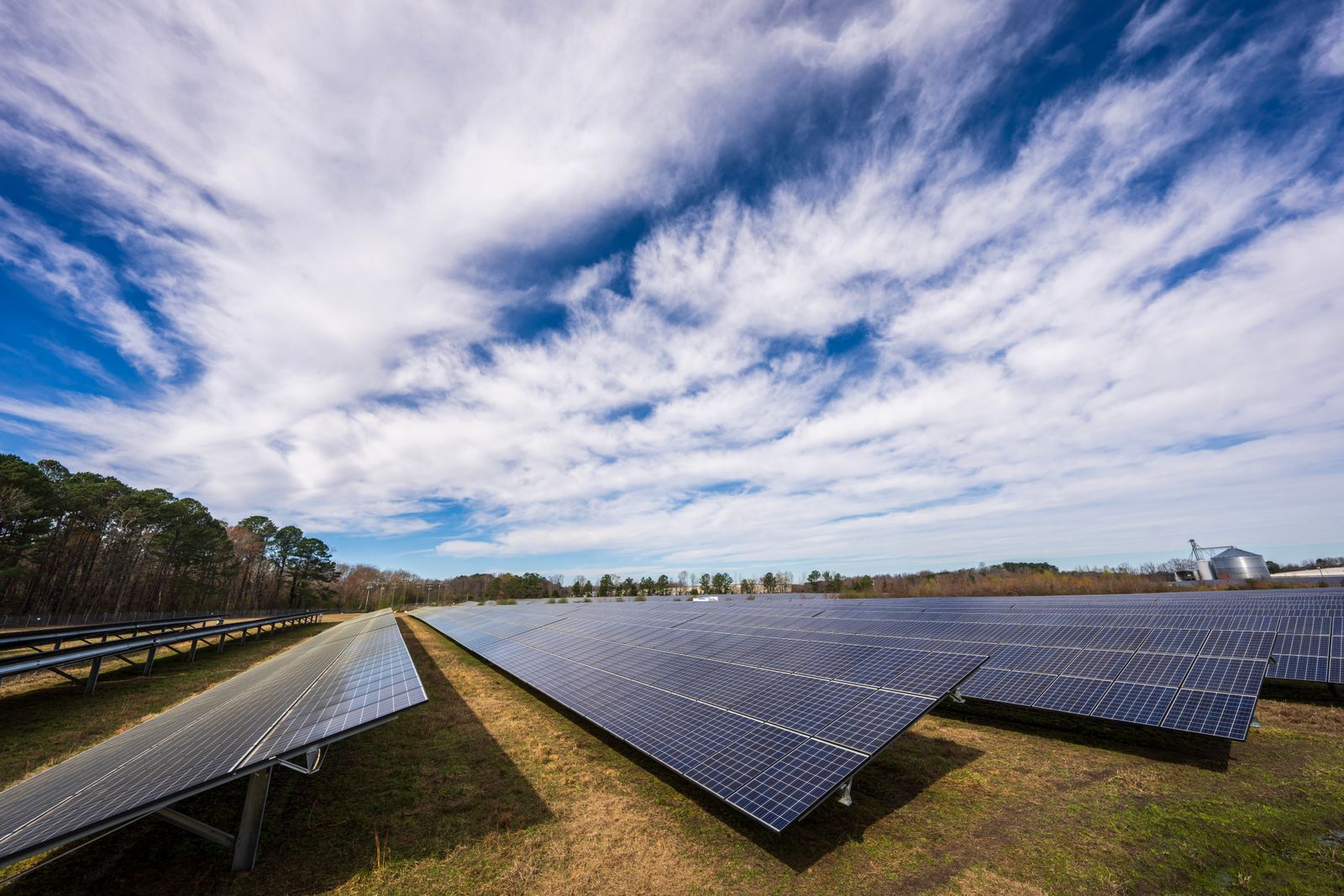
Solar Energy and the Environment: Cutting Your Carbon Footprint
The way we produce electricity has a direct effect on the environment. Most traditional power plants rely on fossil fuels such as coal, oil, and natural gas, which release carbon dioxide and other pollutants into the atmosphere. Solar energy offers a cleaner alternative by using something we already have in abundance — sunlight.
⚡ How Solar Energy Helps Reduce Emissions
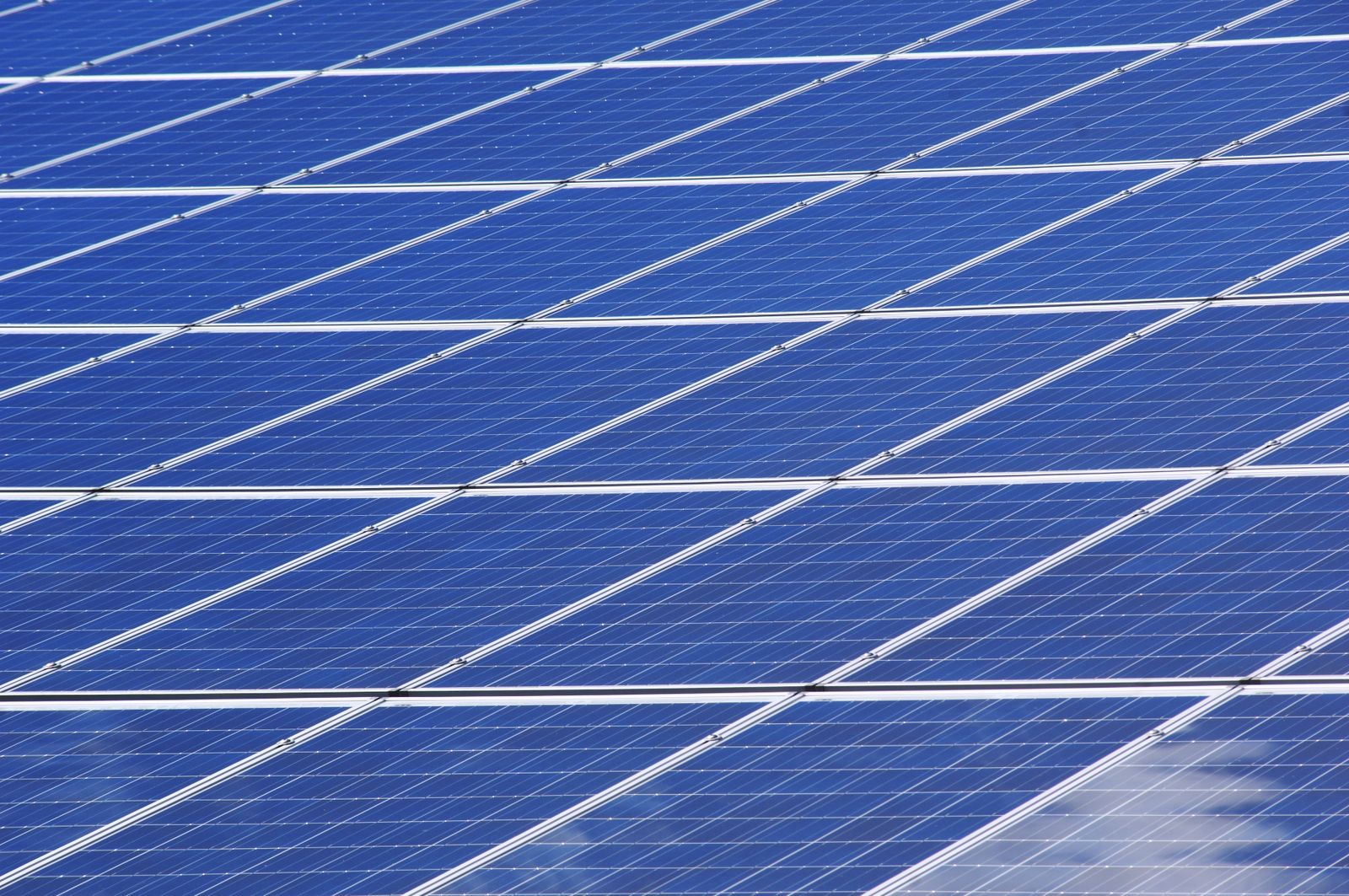
Solar panels produce electricity without burning fuel. When a solar system generates power for a home or business, it can reduce the amount of electricity that needs to come from conventional power plants. The actual reduction in emissions depends on how electricity is produced in a particular area, but the basic idea is simple: more electricity from sunlight means less reliance on fossil fuels.
This is one reason solar power has become increasingly important as countries look for ways to reduce greenhouse gas emissions and meet growing energy needs.
⚡ Solar Panels Have An Environmental Cost Too
Solar power is cleaner, but it is not completely without an environmental footprint. Solar panels need materials such as glass, aluminium, silicon, and copper, and energy is required to manufacture and transport them.
However, a solar panel continues producing electricity for many years after installation. Over its lifetime, the emissions associated with making and installing the system are relatively small compared with the emissions from electricity generated using fossil fuels.
⚡ Cleaner Energy For Homes And Businesses
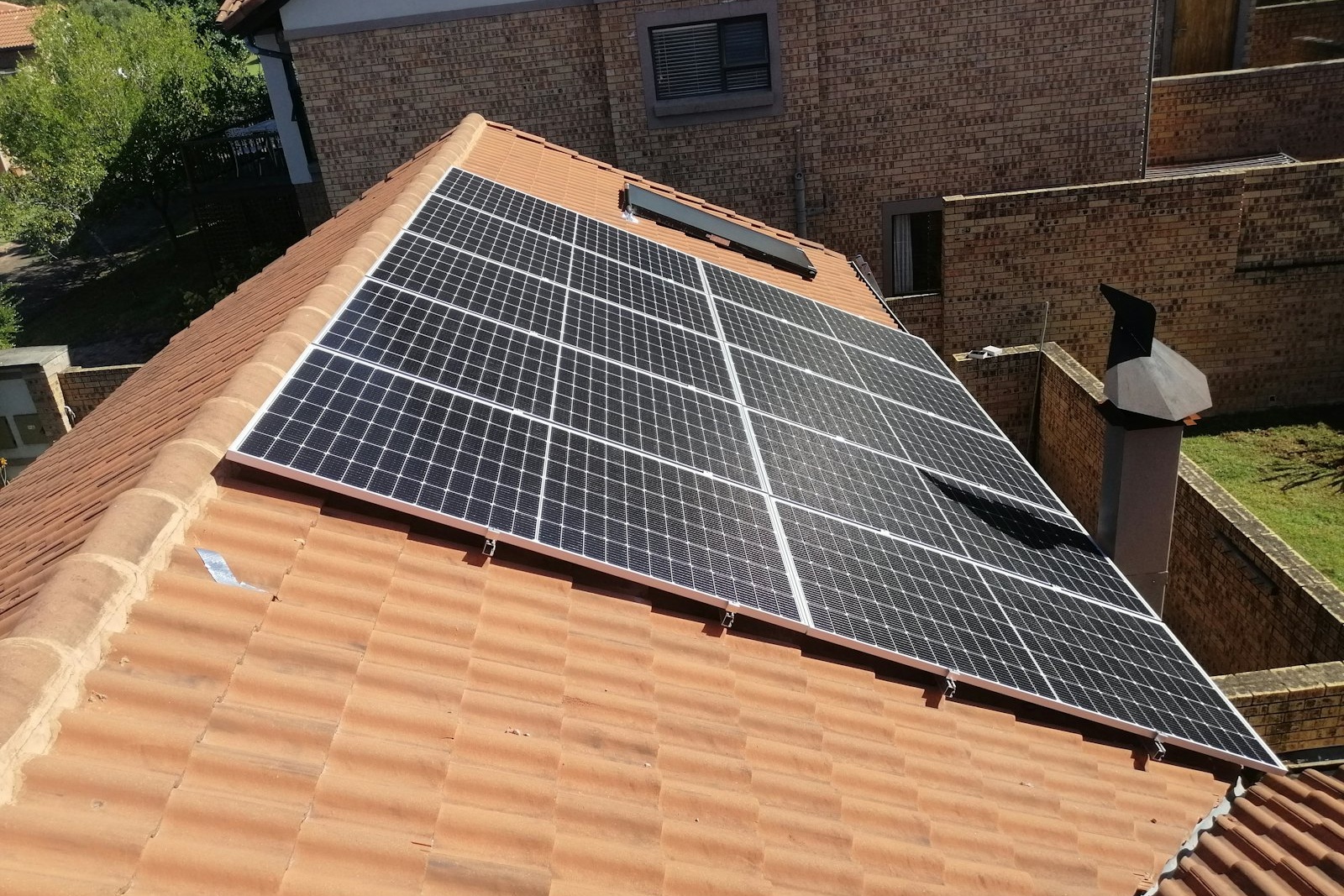
One of the biggest advantages of solar is that there are no direct emissions while the panels are producing electricity. A rooftop system can generate power during the day and reduce the amount of electricity a property needs from the grid.
For businesses with large electricity requirements, solar can also be a practical way to reduce both energy costs and the emissions linked to their daily operations.
⚡ What Happens When Solar Panels Get Old?
Solar panels are built to last for decades, but they eventually reach the end of their useful life. Instead of simply treating old panels as waste, many of their materials can be recovered and recycled.
As the number of solar installations continues to grow, better recycling and reuse methods will become increasingly important. This can help reduce waste and make the entire solar industry more resource-efficient.
⚡ A Cleaner Way Forward
Solar energy is not a perfect solution, but it is an important step toward cleaner electricity. Its biggest advantage is that once a system is installed, it can generate power from sunlight for many years without producing direct emissions during operation.
Choosing solar, using energy efficiently, and making sure old equipment is properly handled can all contribute to reducing the environmental impact of the energy we use every day.



Comments (0)
No comments yet. Be the first to comment!