







Choosing the Right Solar Panel for Your Home
Installing solar panels is a long-term decision, so choosing the right system for your home is important. With so many panels and specifications available, it can be difficult to know where to start. The best choice depends not only on the panel itself, but also on your home's energy usage, roof space, sunlight, and budget.
⚡ Start With Your Home's Energy Needs
Before comparing panels, take a look at how much electricity your home uses. Your monthly electricity bills can give you a good idea of how much power your solar system needs to generate. A properly sized system can help you make better use of your available roof space without installing more capacity than necessary.
⚡ Choose The Right Panel Type
Monocrystalline panels are currently the most common choice for residential rooftop systems because they offer high efficiency and good performance where roof space is limited. Polycrystalline and thin-film technologies are also available, but their suitability depends on the type of installation and the space available.
Rather than choosing a panel simply because it has the highest wattage, consider how its size, efficiency, and output work together with your roof.
⚡ Check Your Roof And Sunlight
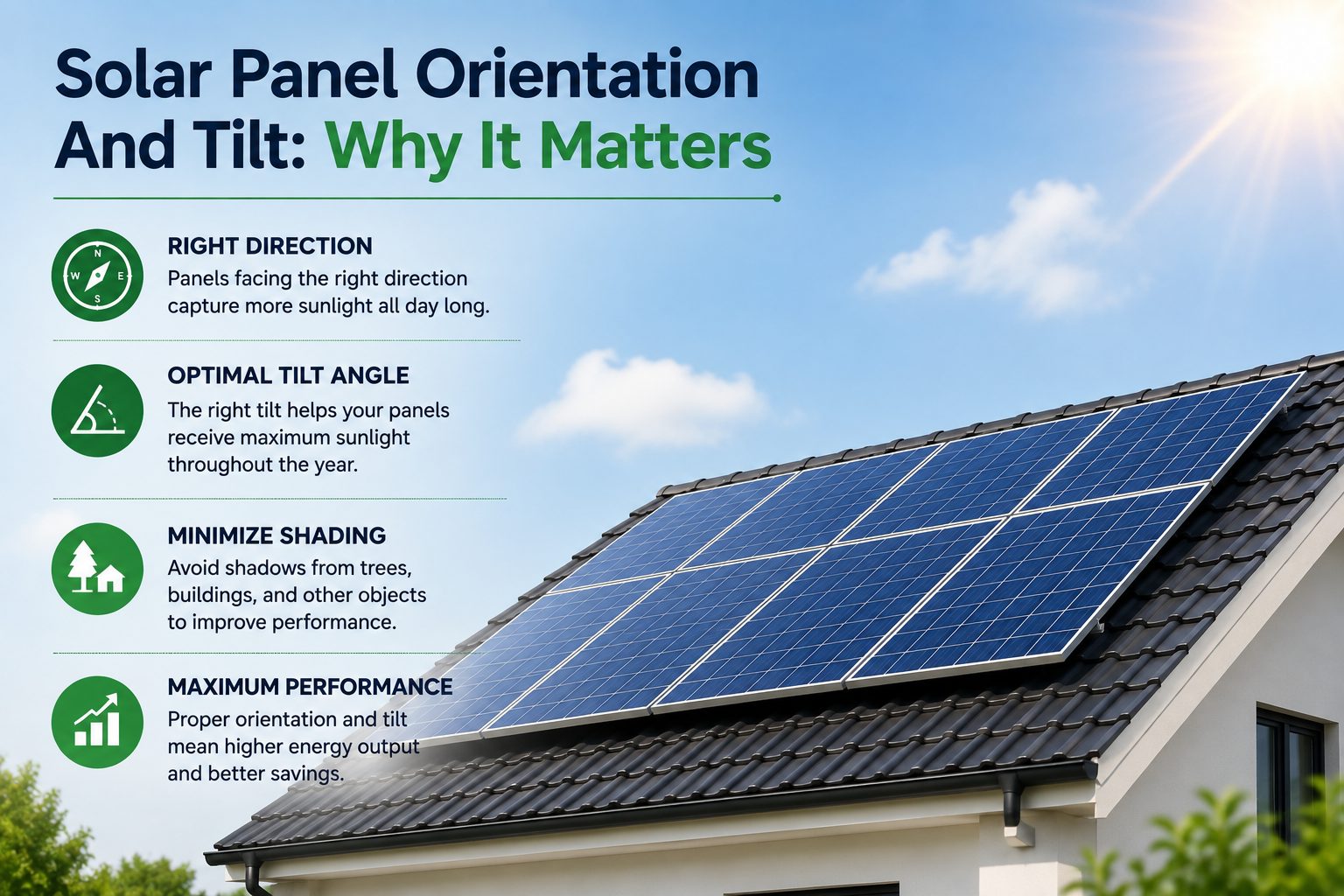
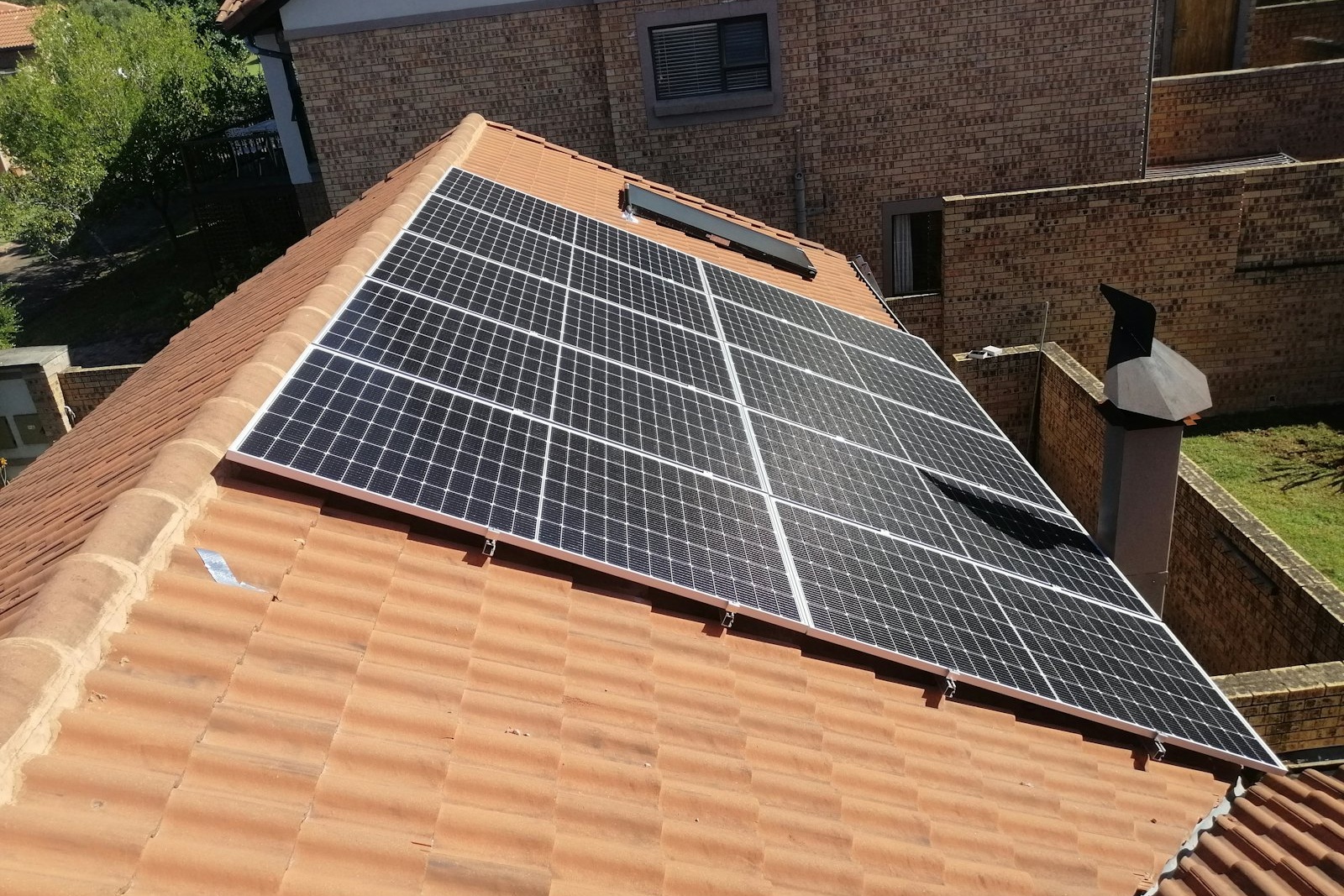
Your roof plays a major role in how much electricity your system can produce. Roof direction, slope, available space, and shading from trees or nearby buildings can all affect solar generation. The age and condition of the roof should also be considered before installation.
If your roof needs major repairs or replacement soon, it may be better to address those issues before installing the panels.
⚡ Look Beyond The Price
The cheapest panel is not always the best option. Compare efficiency, power output, durability, warranty coverage, and the reputation of the manufacturer and installer. A slightly higher initial investment may make sense if the equipment offers better long-term performance and reliability.
⚡ Pay Attention To The Warranty
Solar panels are expected to operate for many years, so warranty coverage matters. Look at both the product warranty and the performance warranty. The product warranty generally covers problems with the panel itself, while the performance warranty relates to how much power the panel is expected to produce over time.
⚡ Think About The Complete Solar System
Solar panels are only one part of a home solar installation. The inverter, mounting system, wiring, monitoring equipment, and optional battery all contribute to how the system performs. Choosing an experienced installer and making sure the complete system is properly designed can be just as important as selecting the panels.
⚡ Choose For The Long Term
There is no single solar panel that is perfect for every home. The right choice is the one that fits your electricity needs, roof conditions, available sunlight, budget, and long-term plans.
Taking the time to compare these factors before installation can help you build a solar system that delivers reliable energy for years to come.
Comments (0)
No comments yet. Be the first to comment!