








How Solar Panels Work: Turning Sunlight into Electricity
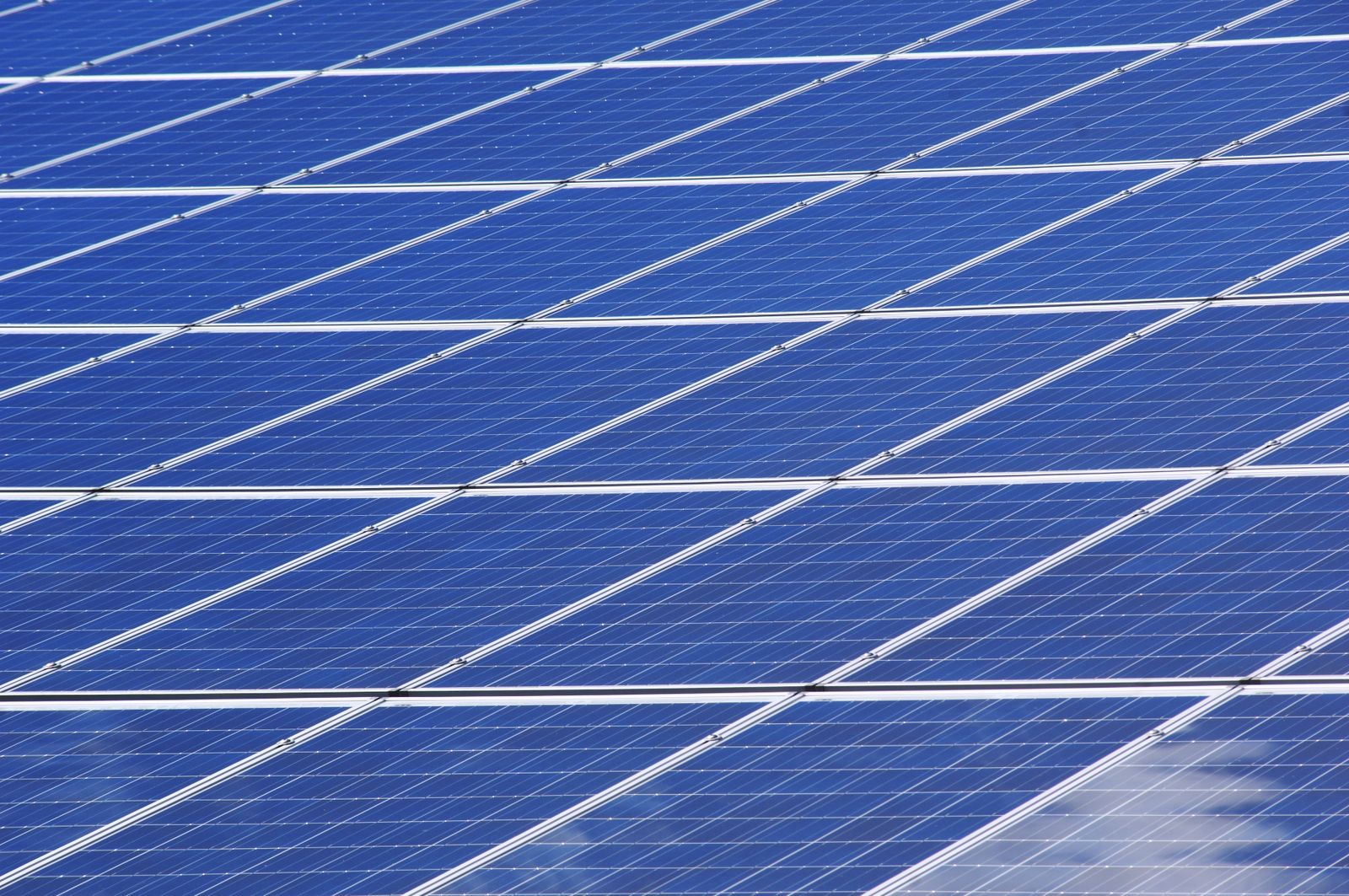
Solar panels may look simple from the outside, but they use a fascinating process to turn sunlight into usable electricity. Every day, solar cells inside the panels capture energy from the sun and convert it into electrical power that can be used in homes, businesses, and other buildings.
⚡ Sunlight Reaches The Solar Panels
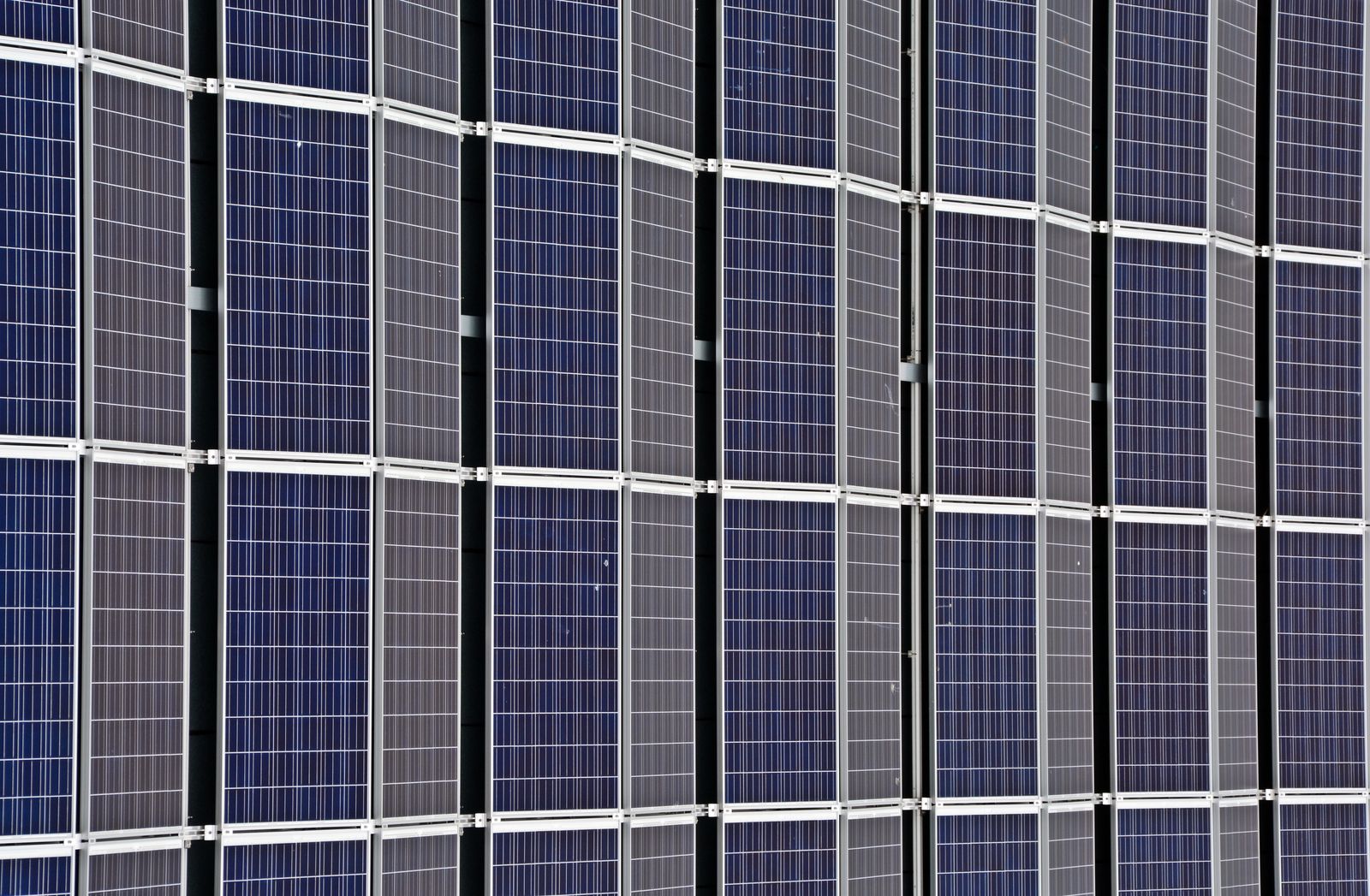
The process begins when sunlight falls on the surface of a solar panel. The panel contains many small solar cells, usually made from semiconductor materials such as silicon. These cells are responsible for converting sunlight into electrical energy.
⚡ Solar Cells Generate Electricity
When sunlight reaches the solar cells, its energy causes electrons within the semiconductor material to move. This movement creates an electrical current. The electricity produced at this stage is direct current (DC).
The amount of electricity generated depends on factors such as sunlight intensity, panel efficiency, temperature, shading, and the size of the solar system.
⚡ The Inverter Converts The Power
Most appliances in homes and businesses use alternating current (AC), while solar panels initially produce DC electricity. This is where the inverter comes in.
The inverter converts the DC electricity from the panels into AC electricity that can be used by electrical appliances and equipment.
⚡ Your Home Uses The Solar Power
Once the electricity has been converted into AC, it can be used to power lights, fans, appliances, computers, and other electrical equipment.
If the solar panels produce more electricity than the property needs at that moment, the excess power may be sent to the grid or stored in a battery, depending on how the system is designed.
⚡ What Happens When There Is Not Enough Sunlight?
Solar panels generate less electricity when sunlight is limited, such as during cloudy weather or at night. In a grid-connected system, the property can draw electricity from the grid when solar production is not enough.
A battery storage system can also store excess solar electricity during the day and make it available later.
⚡ A Simple Process With Long-Term Benefits
The basic process is straightforward: sunlight reaches the solar cells, the cells generate DC electricity, the inverter converts it into AC power, and the electricity is then used by the property.
With proper installation and maintenance, solar panels can continue converting sunlight into electricity for many years, making solar energy a practical way to generate power from a renewable source.



Very informative article. I now understand exactly how my panels convert sunlight into electricity. Thanks for the clear explanation!