







The Complete Guide to Rooftop Solar Installation
Installing solar panels on your rooftop is a major step toward generating your own electricity. But before the panels go on the roof, there are several things to consider. From checking your electricity usage to selecting the right system and completing the necessary approvals, proper planning can make the installation much smoother.
⚡ Check Your Electricity Requirements
Start by looking at your recent electricity bills to understand how much power your home uses. This helps determine the approximate size of the solar system you may need. Your future electricity requirements should also be considered if you plan to add appliances or increase your energy usage.
⚡ Inspect Your Rooftop
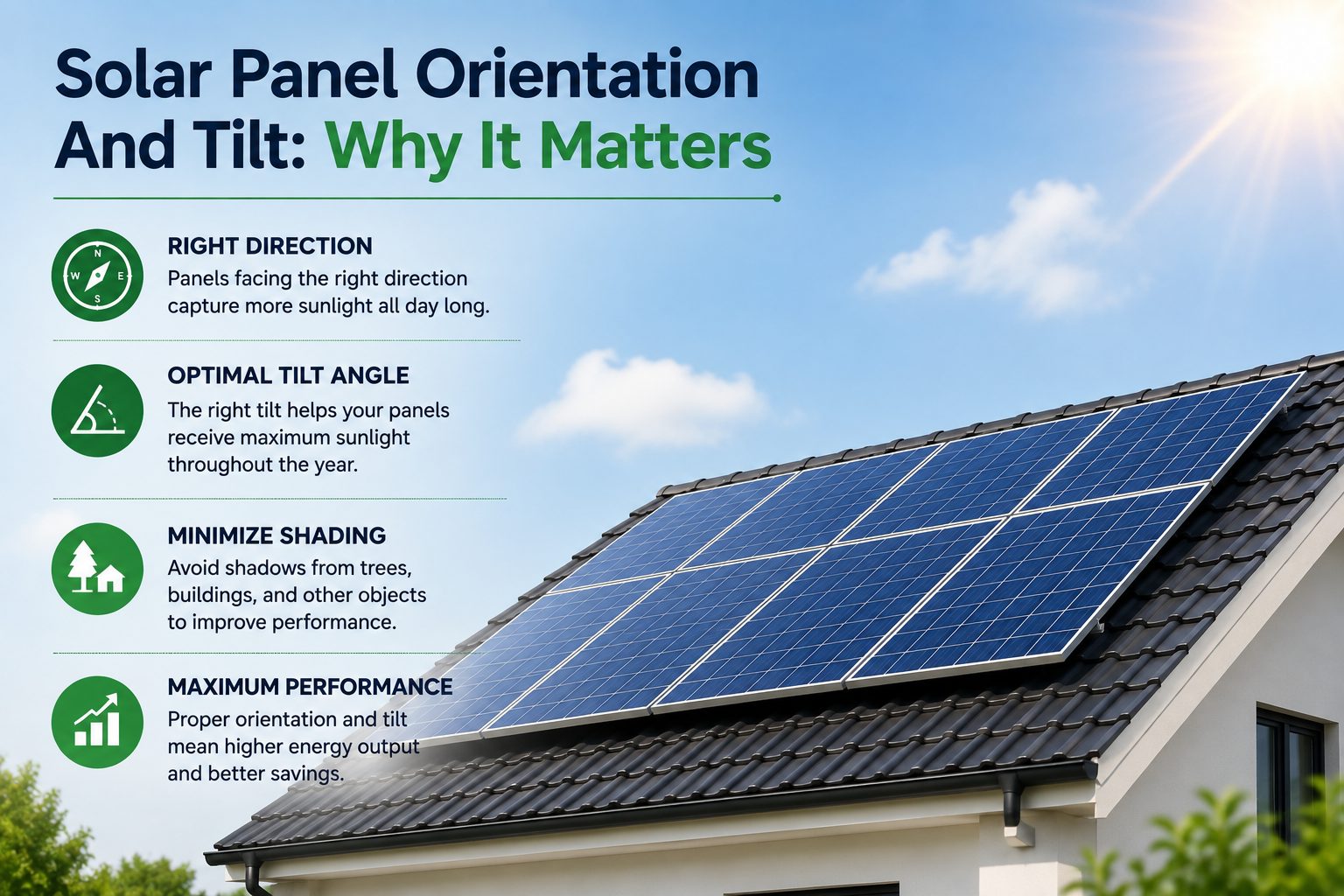
The condition and available space on your roof are important factors. Installers generally consider the roof's size, structure, direction, slope, shading, and condition before recommending a system.
If the roof needs major repairs, it is better to address them before installing solar panels.
⚡ Select The Right Solar System
Solar systems come in different sizes and configurations. The right choice depends on your electricity consumption, available roof space, budget, and local solar conditions.
Your installer can help determine the appropriate panel capacity, inverter, mounting structure, and other equipment required for the installation.
⚡ Choose A Reliable Installer
A good installation is just as important as choosing quality equipment. Compare installers based on experience, equipment offered, warranty terms, installation standards, after-sales service, and customer reviews.
For grid-connected systems, make sure the installer is familiar with the requirements of your local electricity distribution company.
⚡ Complete Approvals And Installation
Depending on your location and system type, you may need applications, inspections, metering arrangements, and other approvals before the system can be connected to the grid.
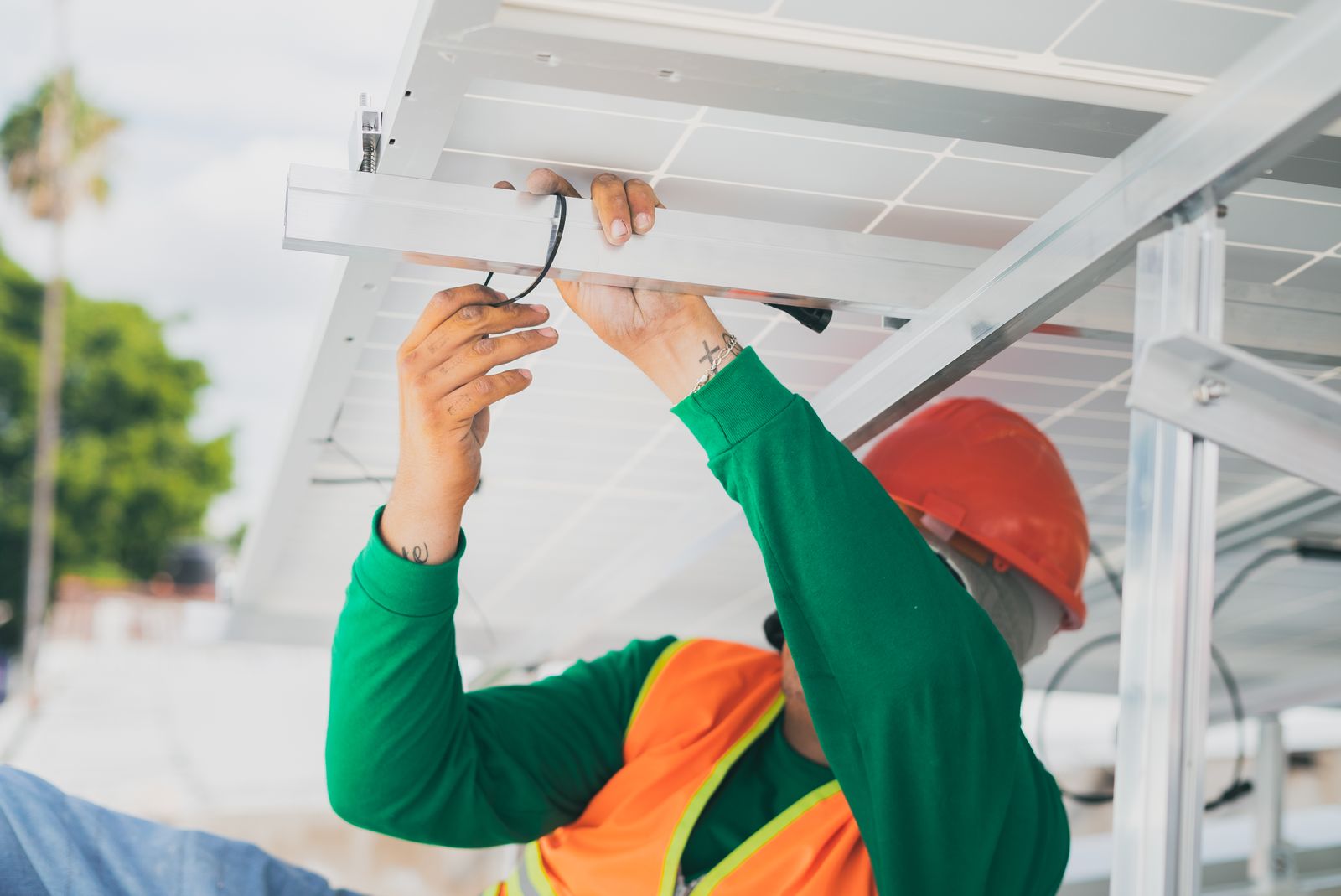
Once the required approvals are in place, the installation team can mount the panels, install the inverter and electrical equipment, connect the system, and carry out the necessary safety checks.
⚡ Connect And Monitor Your System
After installation and grid connection, the system can begin generating electricity. A monitoring system can help you keep track of daily energy production and identify unusual changes in performance.
Keeping records of your system's production can also help you understand how well it is meeting your home's electricity needs.
⚡ Maintain Your Solar Installation
Solar panels require relatively little maintenance, but they should still be checked periodically. Dust, leaves, bird droppings, shading, damaged components, or inverter issues can affect performance.
Regular monitoring and timely professional inspections can help keep the system operating reliably for many years.
A Well-Planned Installation Makes The Difference
Rooftop solar is a long-term investment, so rushing the installation is rarely a good idea. Understanding your electricity needs, checking your roof, choosing suitable equipment, working with a reliable installer, and completing the required approvals can help you get more value from your solar system.
With the right planning, your rooftop can become a reliable source of clean electricity for years to come.
Comments (0)
No comments yet. Be the first to comment!